FINESSE PRIMARY CARE · ADULT & SENIOR HEALTH
Insomnia in Adults & Seniors: A Practical Guide to Better Sleep
Wide awake when you want to be asleep? The next step is understanding your sleep pattern—not blaming yourself or reaching for a stronger pill.
By Dr. Leonardo Moqattash, MD
Board-certified internal medicine physician · Finesse Primary Care
When does a difficult night become insomnia?
Insomnia means difficulty falling asleep, staying asleep, or returning to sleep after waking too early, despite having the opportunity to sleep. The daytime effects matter: fatigue, irritability, low energy, poor concentration, or difficulty managing your usual activities.
A few disrupted nights during illness or stress do not automatically mean chronic insomnia. A persistent pattern—usually at least three nights a week for three months, with daytime impairment—deserves a structured assessment. You can ask for help much sooner if sleep is affecting your safety or wellbeing. Insomnia can occur alongside other medical or mental health conditions. [3], [7]
Adults still need restorative sleep as they age. The CDC recommends about seven to eight hours for adults 65 and older, although individual needs vary. Chasing a perfect number every night can add pressure; how you function during the day also helps guide care. [6]
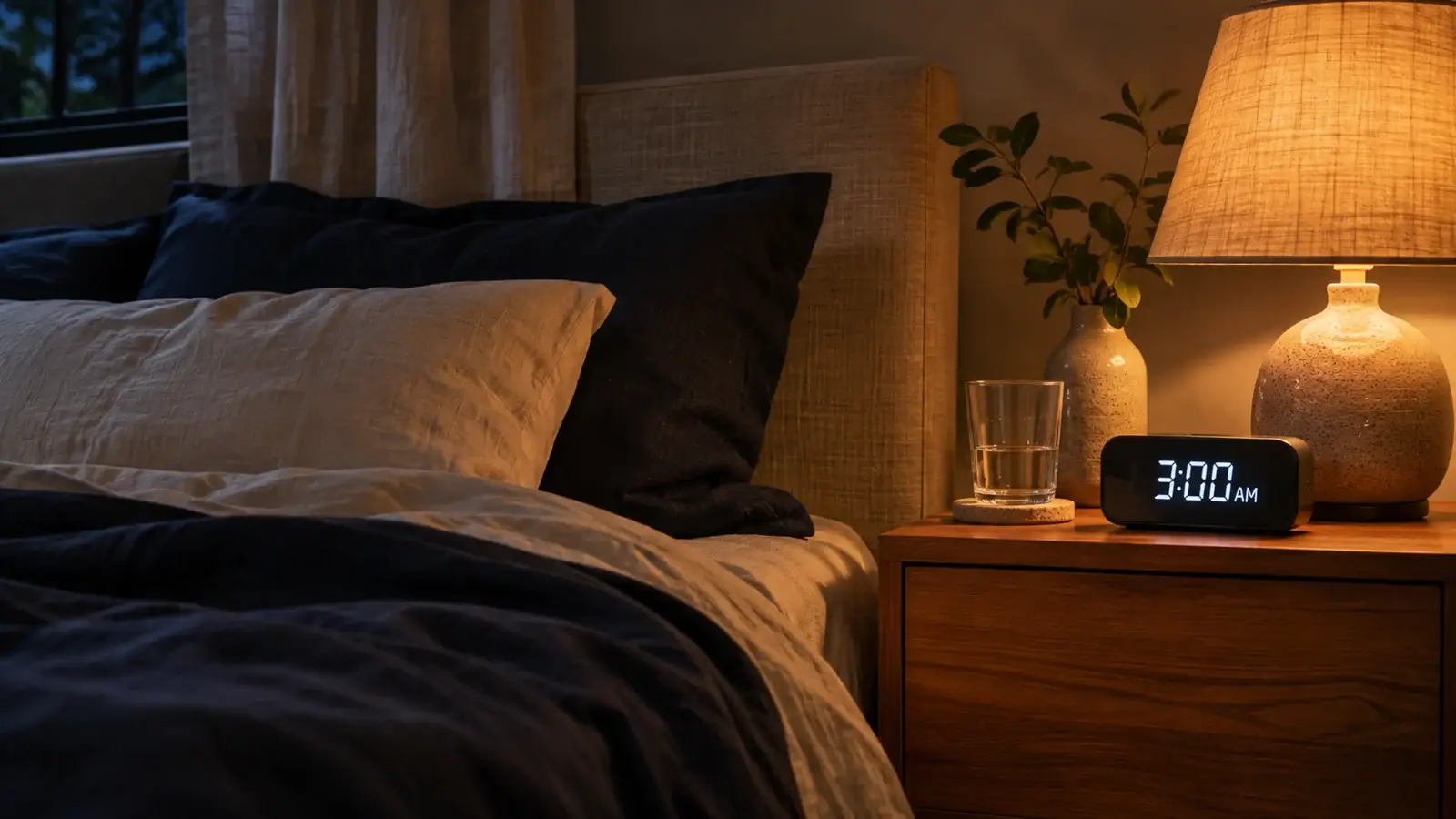
Why do seniors wake up at 3:00 AM?
An earlier clock: Some older adults become sleepy earlier in the evening and wake earlier in the morning. Someone who sleeps from 8:00 PM to 3:00 AM has a different problem from someone who goes to bed at midnight and wakes at 3:00 AM exhausted.
Lighter sleep: Slow-wave, or deep, sleep generally decreases with age. Noise or discomfort may wake you more easily. Hormone rhythms, including the normal cortisol rise toward morning, can also shift with aging. These changes do not mean that severe, persistent sleep disruption is inevitable. [2]
| What you notice | May fit normal aging | Needs closer assessment |
|---|---|---|
| Sleep timing | Earlier sleepiness and earlier waking, with adequate rest. | Waking far earlier than desired and being unable to return to sleep, with daytime effects. |
| Nighttime waking | Brief awakenings followed by a return to sleep. | Long or distressing awake periods on repeated nights. |
| Daytime function | You generally feel alert enough for usual activities. | Fatigue, mood changes, concentration problems, or unsafe drowsiness. |
| Pattern | Changes that are manageable and not causing ongoing distress. | Difficulty at least three nights weekly for three months, despite opportunity to sleep. Earlier evaluation is appropriate when symptoms are troubling. |
What is the safest first-line treatment for chronic insomnia?
CBT-I is a structured treatment, not simply a list of bedtime tips. It helps you build a dependable connection between bed and sleep, reduce time spent awake in bed, and respond differently to the worry that can keep you alert at night.
- Stimulus control: Relearn that bed is for sleep rather than frustration, work, or scrolling.
- Sleep scheduling: Match time in bed more closely to actual sleep, then adjust as sleep becomes more consolidated.
- Cognitive strategies: Work with thoughts such as “Tomorrow will be ruined unless I fall asleep now.”
- Relaxation: Practice ways to lower physical tension without trying to force sleep.
Treatment may be available in person, by telehealth, or through an evidence-based digital CBT-I program. Ask which options offer appropriate clinical support. The AASM patient guide and American College of Physicians guidance explain why this approach comes first.
The 2026 AASM guideline supports CBT-I plus medication over medication alone when combination treatment is being considered. It also suggests CBT-I alone over starting CBT-I and medication together. Both recommendations are conditional: preferences, access, risks, and the clinical situation matter. [5]
How an internist looks for medical causes of poor sleep
A useful sleep evaluation starts with your story: when the problem began, what happens on a typical night, how you feel the next day, and what medicines or substances you use. A bed partner’s observations may reveal snoring or breathing pauses you do not notice. Examination and testing are guided by these clues—not ordered as a standard “insomnia panel.” [7]

Medication timing and side effects
Bring every prescription, over-the-counter product, supplement, and their usual dosing times. Diuretics taken late can increase bathroom trips. Corticosteroids and decongestants may be stimulating; some SSRIs can disrupt sleep or cause drowsiness. Some beta-blockers may contribute to sleep disturbances or vivid dreams. These effects vary, and the medicine may still be necessary.
Your clinician can consider timing, dose, interactions, or alternatives. Do not move, skip, or stop a prescribed medicine on your own—particularly a steroid, antidepressant, or heart medication.
Nocturia, pain, and reflux
With nighttime urination, we ask whether bladder symptoms woke you or whether you visited the bathroom because you were already awake. Fluid timing, prostate or bladder problems, diabetes, leg swelling, and sleep apnea may contribute. Avoiding all fluids is not the answer; any changes should respect your hydration needs and existing medical plan.
Arthritis or other chronic pain may interrupt sleep whenever you turn over. Reflux can cause burning, coughing, or a sour taste when you lie down. Addressing these symptoms through chronic disease care can be part of the sleep plan.
Sleep apnea and restless legs syndrome
Loud snoring, witnessed breathing pauses, gasping, and marked daytime sleepiness raise concern for obstructive sleep apnea. Insomnia and sleep apnea can coexist. Your clinician may arrange a home sleep apnea test or an overnight laboratory study when appropriate; a sleep study is not routinely necessary for uncomplicated insomnia.
Restless legs syndrome causes an urge to move the legs, often with unpleasant sensations, that worsens during rest and in the evening and improves with movement. An assessment may include iron studies and a review of medicines that worsen symptoms. Do not start iron without checking whether it is needed. [7]
Thyroid changes, menopause, anxiety, and depression
Palpitations, tremor, heat intolerance, or unexplained weight change may justify thyroid testing. Hot flashes can interrupt sleep around menopause and beyond. Anxiety may keep the mind alert; depression sometimes causes early waking. These are treatable concerns, not personal failings. Our mental and behavioral health care can help address mood and sleep together.
New forgetfulness should not automatically be blamed on age or poor sleep. See our normal aging versus memory loss guide for signs that deserve an evaluation.
A practical sleep routine that supports treatment
Habits provide a foundation. For chronic insomnia, they work best alongside CBT-I rather than as a substitute for treatment. Choose changes you can repeat instead of trying to perfect every evening. [4], [6]
Keep a steady wake-up time
- Get up at roughly the same time daily, including weekends.
- Go to bed when sleepy rather than early “just in case.”
- Avoid sleeping late to make up for a difficult night.
- If you need a nap, keep it brief—about 20 minutes—and earlier in the day. Discuss unintended daytime sleep episodes with your clinician.

Daytime outdoor activity and light help support a regular routine. Light timing is individual: if you become sleepy unusually early and wake at 2:00–4:00 AM, very early bright light may shift your clock even earlier. A clinician may recommend carefully timed evening light for an advanced sleep phase. The patio image illustrates ordinary daytime activity, not a universal light-therapy prescription. [2]
Help your brain associate bed with sleep
- Use bed for sleep and intimacy, not work, worry, or scrolling.
- If you feel awake and frustrated for roughly 20 minutes, leave the bed for a quiet activity in dim light. Do not watch the clock to measure this exactly.
- Return when sleepy; repeat if needed.
- Keep a clear walking path and safe low-level lighting. If getting up risks a fall, ask about a seated or in-bed alternative.
Adjust time in bed with guidance
Spending nine or ten hours in bed while sleeping only six can reinforce wakefulness in bed. A CBT-I clinician uses your diary to select an appropriate sleep window and gradually expand it as sleep improves. Do not prescribe yourself a very short sleep window; temporary sleepiness can affect driving and balance. [4]
Make the room quiet, dark, and comfortably cool
Use a fan, white noise, or earplugs if helpful, while making sure you can still hear alarms. Dim lights during the hour before bed. Keep television, phone use, and work outside the bedroom when possible. Use enough nighttime pathway lighting to prevent falls.
Review caffeine, alcohol, nicotine, and meals
- Avoid caffeine in the afternoon and evening; move the cutoff earlier if you remain sensitive.
- Nicotine is stimulating. Avoid it near bedtime and ask for cessation support.
- Alcohol may make you drowsy but can fragment sleep later. Do not use it as a sleep aid.
- Avoid a large meal just before bed, especially with reflux. A small snack is reasonable if hungry.
- Discuss evening fluid timing if bathroom trips are frequent; do not ignore a prescribed fluid plan.

Give yourself a 30–60 minute wind-down
Read a paper book, stretch gently, take a warm shower, or practice slow breathing. Write tomorrow’s tasks or worries down earlier in the evening. The goal is a quieter transition, not another task you must perform perfectly. The CDC sleep resource offers additional habit and diary guidance. [6]
Which sleep aids should older adults avoid?
When might a prescription sleep medicine help?
Medication may have a role when CBT-I is unavailable, has not provided enough relief, or short-term support is appropriate while another problem is addressed. The choice depends on the sleep pattern, other illnesses, interactions, and your priorities. Expected benefits are often modest and need to be weighed against harms. [3], [14]
Use the lowest effective dose for the shortest necessary period, with a clear follow-up plan. Longer treatment, when appropriate, requires reassessment rather than automatic refills. The table is educational, not a dosing instruction or a list of preferred medications for seniors.
On a small screen, swipe the table sideways to read all columns. Keyboard users can focus the table region and use the arrow keys.
| Medicine | Adult dose context | Potential role | Key cautions | Senior (65+) considerations |
|---|---|---|---|---|
| Zolpidem [9] | Immediate-release: 5 mg initially for women; 5 or 10 mg for men. General adult maximum 10 mg nightly. Other formulations have different dosing. | Mainly trouble falling asleep; some other formulations also target maintenance. | Next-day impairment, memory problems, falls, and potentially dangerous complex sleep behaviors. Avoid alcohol and unapproved sedative combinations. | Generally avoid under Beers Criteria. If prescribed despite risks, recommended geriatric immediate-release dose is 5 mg nightly; do not increase it yourself. This is not the dose for every zolpidem formulation. |
| Eszopiclone [10] | Start 1 mg at bedtime; a clinician may increase to 2–3 mg in suitable younger adults. | Trouble falling or staying asleep. | Next-day impairment, dizziness, unpleasant taste, falls, and complex sleep behaviors. | Generally avoid under Beers Criteria. If used, start 1 mg; maximum 2 mg in geriatric or debilitated patients. Lower dosing does not remove fall or cognitive risks. |
| Ramelteon [11] | 8 mg within 30 minutes of bedtime; maximum 8 mg daily. | Trouble falling asleep. | May cause dizziness or fatigue. Do not combine with fluvoxamine; liver disease and other interactions need review. Not a rapid “knockout” medicine. | No routine age-only dose reduction. Not a controlled substance and has low dependence potential, but monitor balance and daytime alertness. |
| Suvorexant [12] | Usual starting dose 10 mg; clinician may increase to 20 mg maximum if needed and tolerated. Interactions may require 5 mg or avoidance. | Trouble falling or staying asleep. | Next-day sleepiness, unusual dreams, sleep paralysis, and complex sleep behaviors. Contraindicated in narcolepsy; respiratory conditions need review. | No routine age-only adjustment, but older adults are more vulnerable to falls. Use the lowest effective dose and review interacting medicines carefully. |
| Melatonin [13], [14] | No standard recommended dose for chronic insomnia. Product, dose, and timing depend on the reason for use. | May help selected circadian rhythm problems, such as jet lag or a delayed sleep schedule. | Product content varies. May cause drowsiness and interact with medicines, including blood thinners. Evidence does not support routine use for chronic insomnia. | May remain active longer and cause daytime drowsiness. “Natural” does not mean risk-free. Timing can be especially important when sleep already occurs too early. |
These five options are not exhaustive. A clinician may discuss other approaches based on your history. Do not use someone else’s medication or add an OTC product to “boost” a prescription.
Sleep-medication safety rules worth keeping
- Never combine a sleep aid with alcohol.
- Do not combine it with opioids, benzodiazepines, or other sedating drugs unless your prescriber has explicitly reviewed the combination.
- Allow the full sleep interval specified for the product: usually at least seven to eight hours for the bedtime prescription medicines discussed here.
- Do not take an extra dose during the night unless specifically prescribed for that use.
- Do not drive or operate machinery when drowsy. Next-day impairment can occur even when you feel fairly awake.
- Watch for confusion, falls, memory changes, and morning grogginess; report these promptly.
- Some medicines can cause tolerance, dependence, or withdrawal. Do not abruptly stop a regularly used sedative without a plan.
When should you seek medical care for insomnia?
Arrange a visit if sleep is disrupting mood, concentration, daily activities, or safety—even if it has not lasted three months. Also seek assessment for:
- Loud snoring, choking, gasping, or witnessed breathing pauses.
- An evening urge to move the legs that improves with movement.
- Pain, reflux, frequent urination, hot flashes, or medication side effects.
- Regular reliance on alcohol, cannabis, OTC sleep aids, or prescription sedatives.
- Persistent anxiety, depression, or major changes in energy and behavior.
Get urgent help for severe breathing difficulty, new severe confusion, or a serious medication reaction. If you have thoughts of suicide or self-harm, call or text 988 in the U.S.; call 911 for immediate danger. Do not wait for a routine office or telehealth visit.
A sleep plan built around your health and your daily life
For adults seeking insomnia care in Apple Valley or Rancho Cucamonga, primary care can connect the sleep complaint with the rest of the medical picture. Finesse Primary Care’s board-certified internal medicine team cares for adults and seniors across the High Desert and Inland Empire.
- Start with a medication and symptom review. Bring your bottles or an accurate list, including supplements and nighttime products.
- Identify what needs testing. Your clinician may recommend targeted laboratory testing or sleep apnea evaluation when the history supports it.
- Build a treatment plan. Discuss CBT-I guidance and access or referral, changes for medical contributors, and whether medication has a role.
- Check progress. Review your sleep diary, daytime function, balance, and side effects; adjust the plan together.
Care can begin at our Apple Valley office, our Rancho Cucamonga office, or through telehealth when appropriate for patients located in California. A virtual visit lets you start the conversation from home; your doctor will decide whether an in-person examination or testing is needed.
We accept Medicare and most major insurance plans and offer transparent self-pay options. Review our insurance and pricing information and confirm benefits for your particular plan and visit. Telehealth coverage and CBT-I benefits can differ.
Sleep concerns can be addressed alongside preventive care, geriatric care, and other primary care services.
Questions adults and seniors ask about insomnia
Why do I keep waking up at 3:00 AM?
Earlier body-clock timing, lighter sleep, pain, bathroom trips, mood symptoms, or sleep apnea may contribute. The time alone does not diagnose a cortisol problem. Track your bedtime, waking time, and daytime symptoms; ask for an evaluation if the pattern is persistent or affects your functioning.
Can over-the-counter sleep aids affect memory?
Diphenhydramine and doxylamine can cause confusion and memory difficulties, especially in older adults. Higher cumulative anticholinergic exposure is associated with dementia risk, but that does not prove an individual product caused dementia. Bring all sleep, allergy, and nighttime pain products to a medication review.
How is CBT-I different from sleep hygiene?
Sleep hygiene covers habits such as caffeine timing and bedroom conditions. CBT-I adds a personalized sleep schedule, stimulus control, and tools for sleep-related worry. It is a structured treatment for chronic insomnia; sleep hygiene alone is usually insufficient.
Should I see my primary care doctor or a sleep specialist?
Primary care is a useful starting point for reviewing symptoms, medications, and medical causes. Loud snoring, breathing pauses, severe daytime sleepiness, unusual sleep behaviors, or insomnia that persists despite treatment may warrant a sleep specialist. You do not need to wait three months to ask for help.
Can I discuss insomnia by telehealth, and does Medicare cover the visit?
Finesse Primary Care offers in-office care in Apple Valley and Rancho Cucamonga and telehealth for patients located in California when appropriate. You can start from home; the doctor will decide whether an examination or testing is needed. The practice accepts Medicare and most major plans and offers self-pay options. Confirm your specific visit benefits and costs with the office and insurer.
Patient education: This guide supports a conversation with your clinician. It does not diagnose a sleep disorder or replace an individualized treatment plan.
Medical references and supporting guidance
Adult and older-adult guidance; pediatric-only evidence has been excluded. Prescription doses refer to the listed formulations and are not instructions to start treatment.
- National Institute on Aging. Sleep and Older Adults.
- Li J, Vitiello MV, Gooneratne NS. Sleep in Normal Aging. Sleep Medicine Clinics. 2018;13:1–11.
- Qaseem A, et al. Management of Chronic Insomnia Disorder in Adults: ACP Clinical Practice Guideline. Annals of Internal Medicine. 2016;165:125–133.
- Edinger JD, et al. Behavioral and Psychological Treatments for Chronic Insomnia Disorder in Adults: AASM Clinical Practice Guideline. Journal of Clinical Sleep Medicine. 2021;17:255–262.
- Buysse DJ, et al. Combination Treatment for Chronic Insomnia Disorder in Adults: AASM Clinical Practice Guideline. Journal of Clinical Sleep Medicine. 2026;22:56.
- CDC. About Sleep. Adult sleep duration, habits, and sleep diaries.
- Schutte-Rodin S, et al. Clinical Guideline for the Evaluation and Management of Chronic Insomnia in Adults. Journal of Clinical Sleep Medicine. 2008;4:487–504.
- American Geriatrics Society. 2023 Updated AGS Beers Criteria® for Potentially Inappropriate Medication Use in Older Adults. Journal of the American Geriatrics Society. 2023;71:2052–2081.
- AMBIEN (zolpidem immediate-release tablets). U.S. prescribing information, DailyMed.
- LUNESTA (eszopiclone). U.S. prescribing information, DailyMed.
- ROZEREM (ramelteon). FDA prescribing information. 2021.
- BELSOMRA (suvorexant). U.S. prescribing information, DailyMed.
- NCCIH. Melatonin: What You Need To Know. Adult effectiveness, interactions, and safety sections.
- Sateia MJ, et al. Clinical Practice Guideline for the Pharmacologic Treatment of Chronic Insomnia in Adults. Journal of Clinical Sleep Medicine. 2017;13:307–349.